

Always Active
Required for security, remembering your privacy choice, and core website features. These cannot be switched off.
Musculoskeletal · Conditions
If shoulder pain is getting in the way of life, our physiotherapists can assess you and talk you through your options.
Condition overview
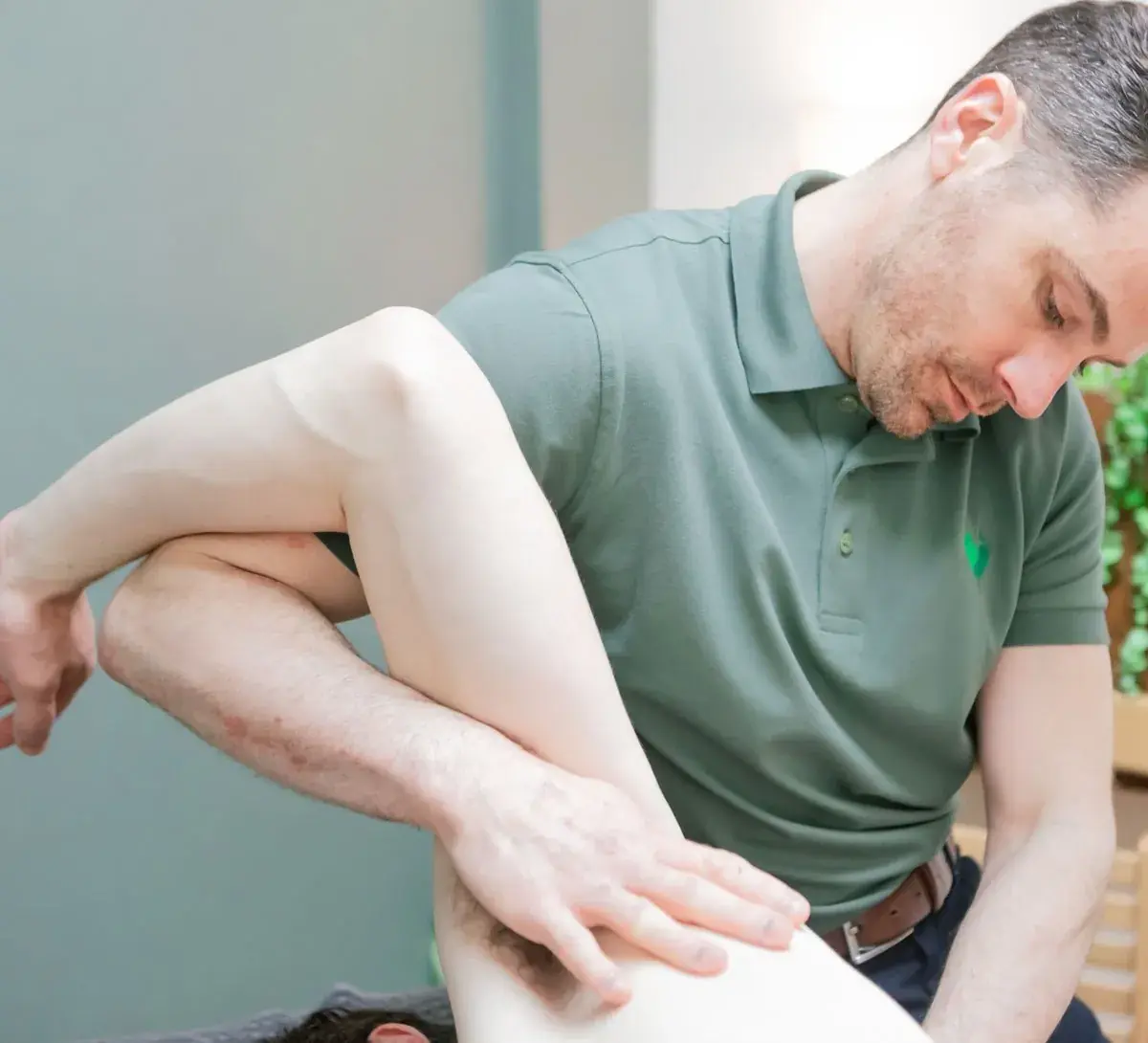
Shoulder pain can be incredibly frustrating, a sharp catch when you reach up, or a constant ache that limits your movement and disturbs your sleep. The shoulder is one of the most mobile joints in the body, which makes it vulnerable to injury, overuse and wear and tear. When it hurts, it can affect everything from work to exercise to a good night’s rest. We’re here to help you move freely again.
You might be asking yourself:
Why Barefoot
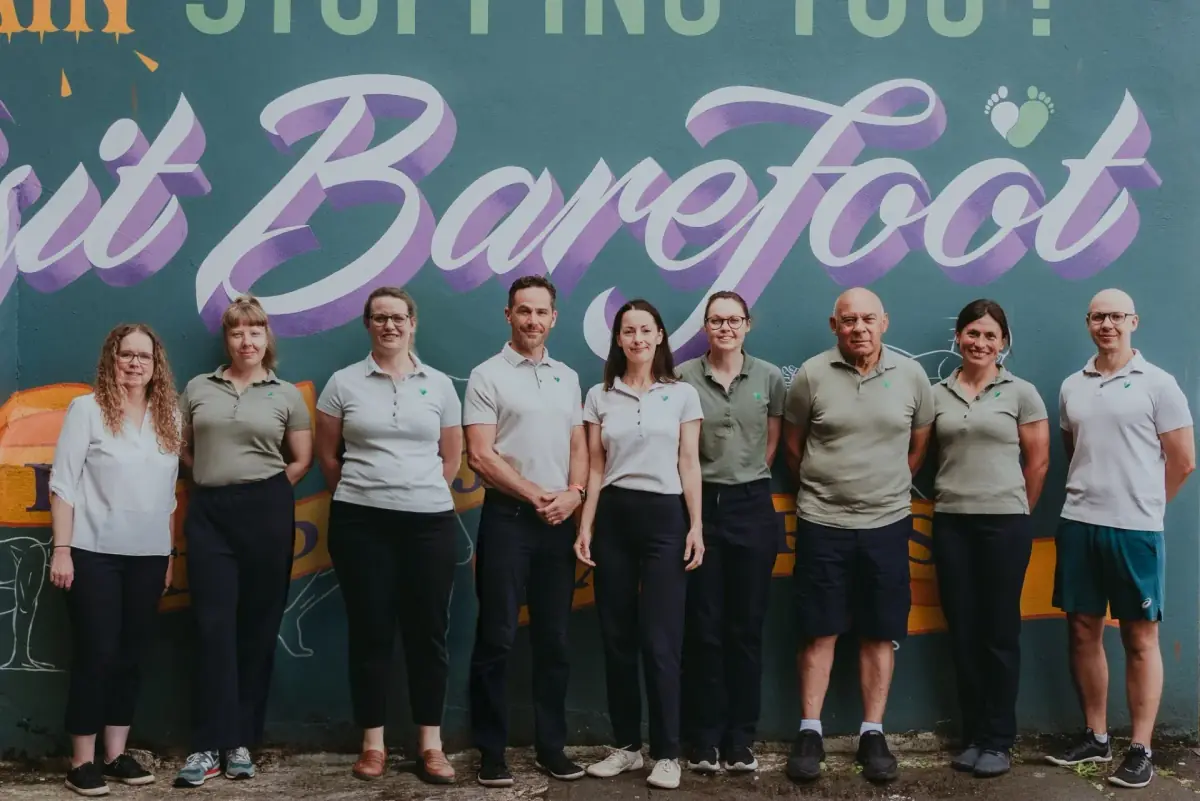
As HCPC-registered physiotherapists, we’re fully qualified to assess and diagnose your shoulder pain without needing to see your GP first, so you can start your recovery as quickly as possible. We take a holistic, root-cause approach, and as a multidisciplinary team we can combine physio with sports massage, strength and conditioning, shockwave therapy and taping, all under one roof in Exeter and Bovey Tracey. If imaging or a specialist opinion is needed, we’ll guide you to the right route.
Shoulder pain is one of Elly Skinner’s specialist areas, alongside MSK, sports injuries and shockwave therapy. Drawing on years of NHS experience as a Specialist Musculoskeletal Physiotherapist, she assesses and rehabilitates rotator cuff problems, frozen shoulder and post-operative shoulders with a clear, staged plan, exactly the graded approach that helped one of our patients recover full movement after a rotator cuff tear. James Morgan, our lead physiotherapist, brings advanced post-graduate training and a proven track record with frozen shoulder recovery. Whoever you see, your shoulder is in expert hands.
How we can help
A thorough assessment to identify the root cause of your shoulder pain.
To reduce pain, improve range of motion and restore function.
To strengthen the shoulder and restore stability and flexibility.
Helping you move in ways that reduce strain and promote healing.
Taping, shockwave and more as part of an integrated plan.
Conditions
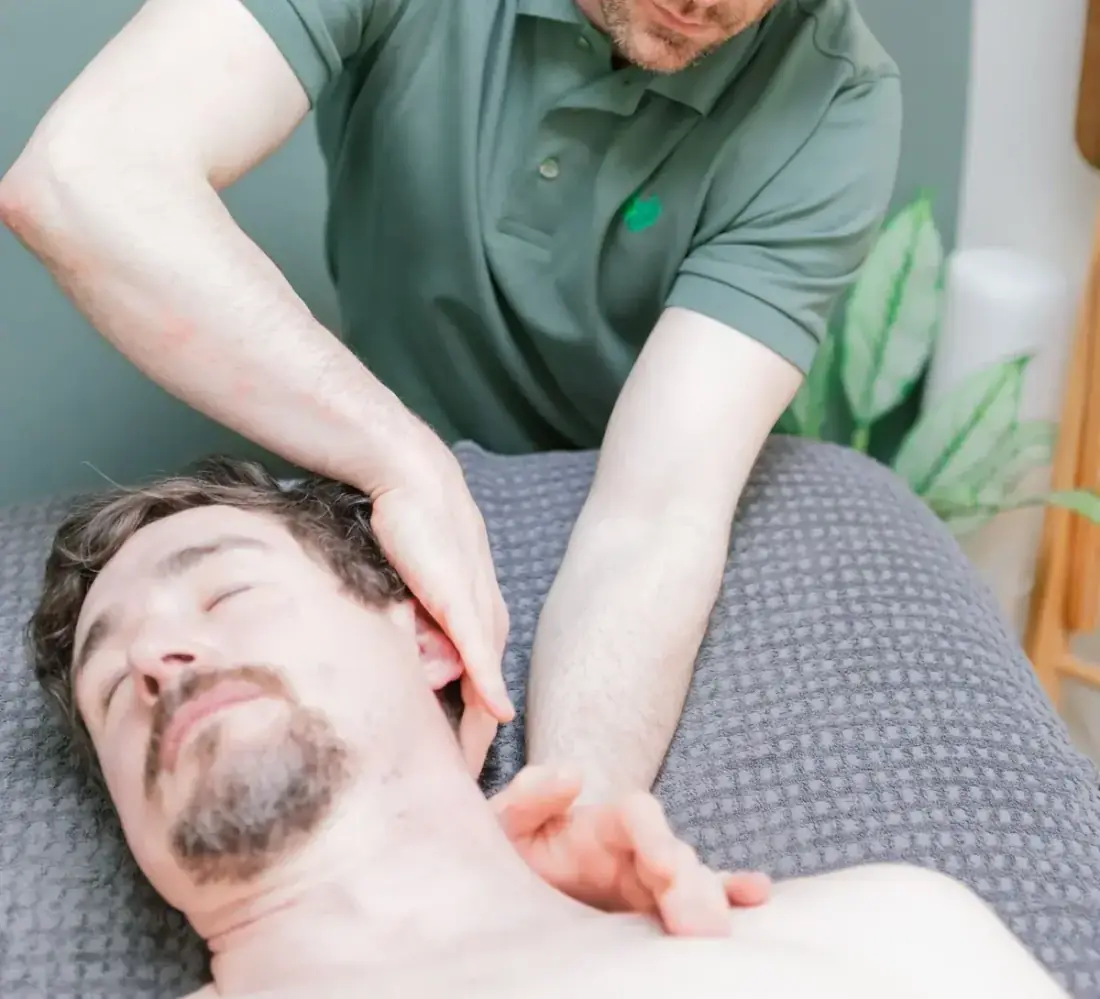
Physiotherapy assessment and treatment for neck pain that is getting in the way of daily life.
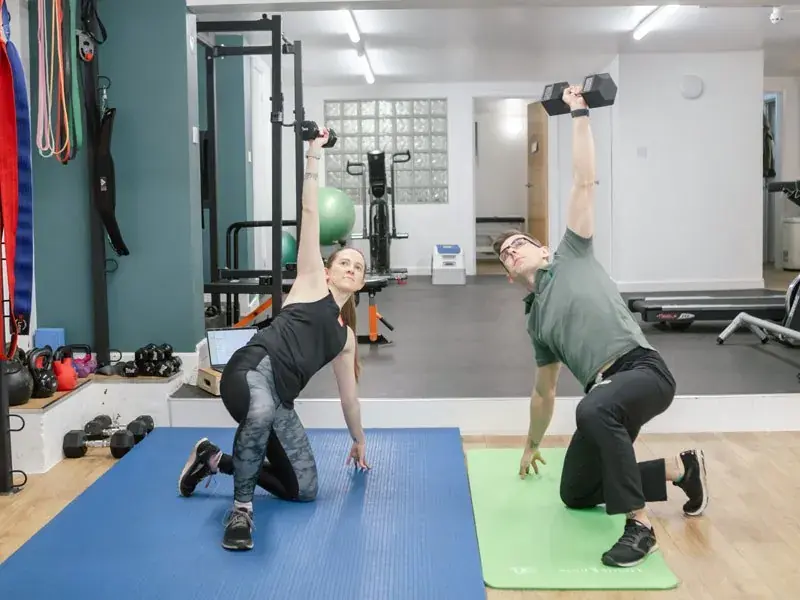
Physiotherapy support for sports-related injuries, with the aim of getting you back to your sport.
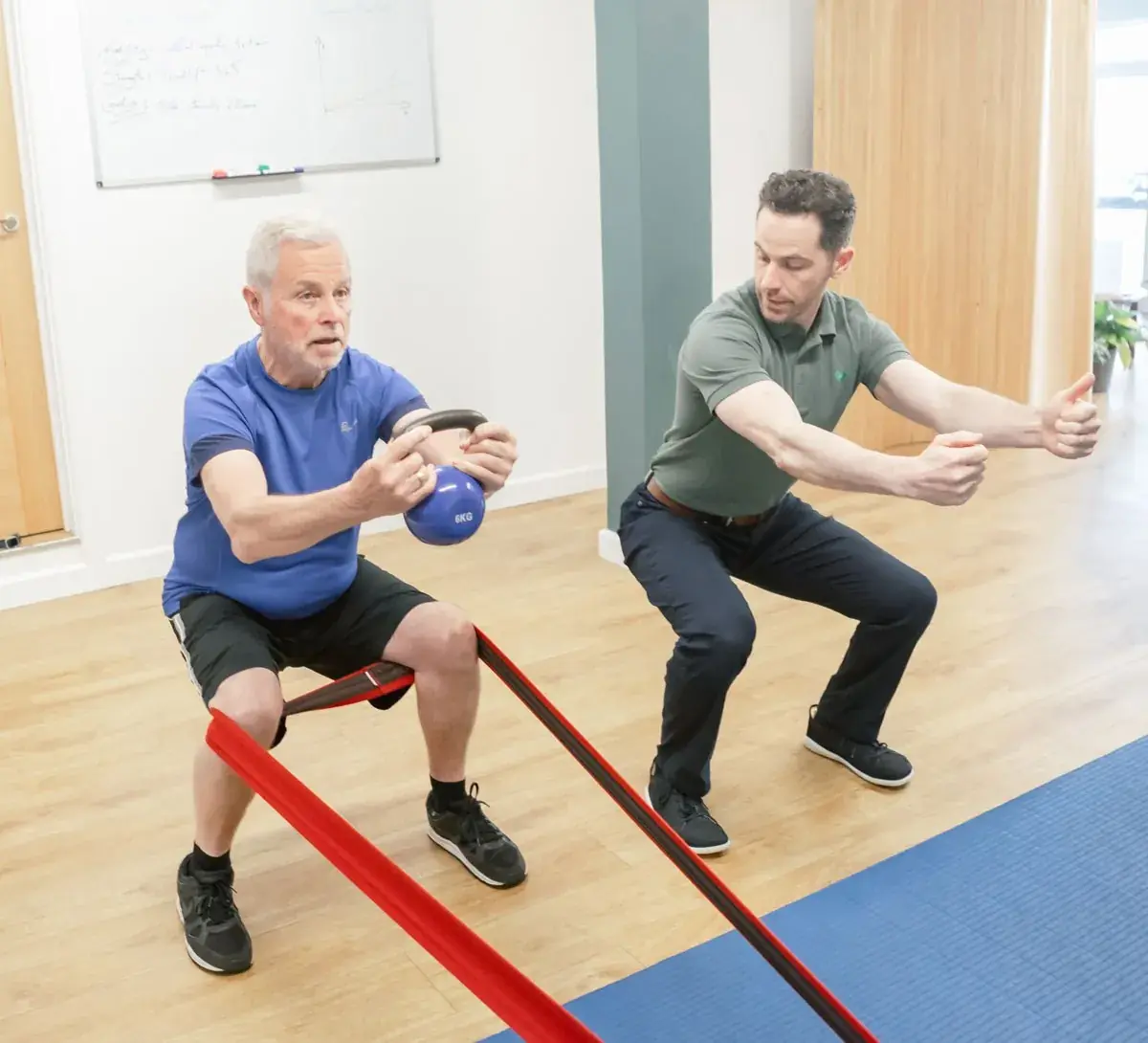
Physiotherapy support for people whose arthritis is getting in the way of life.
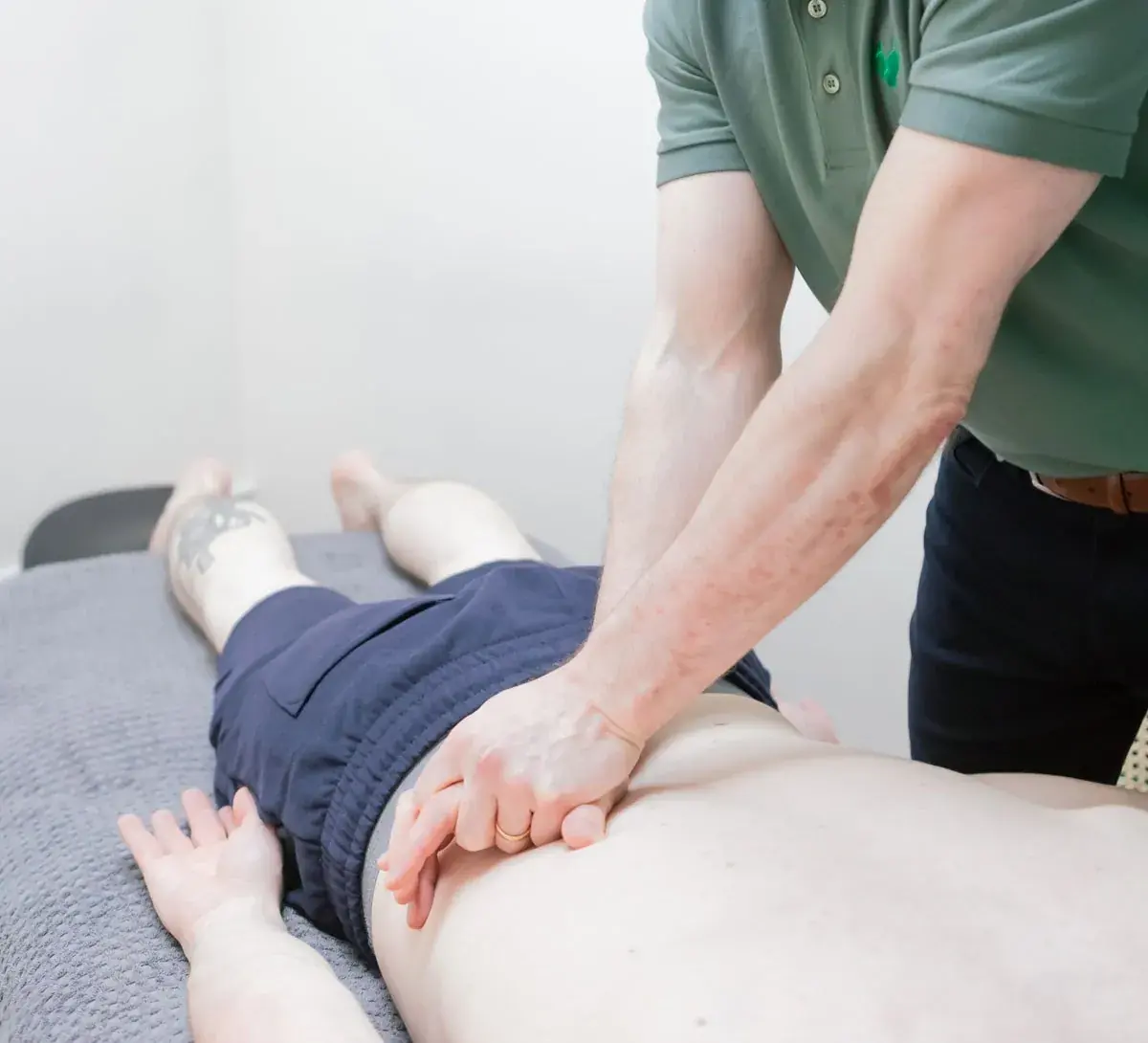
Personalised assessment and treatment for back pain, with a clear explanation and a plan built around your goals.
FAQ
Often not. Most shoulder pain is diagnosed through a thorough physical assessment, and a scan only changes management in specific cases. We’ll explain clearly if imaging would help.
Frozen shoulder can be a slow condition, sometimes lasting many months, but physiotherapy can ease pain and improve movement throughout. We’ll set realistic expectations for your stage.
Impingement is a pinching of the soft tissues when you raise your arm, while a rotator cuff tear is actual damage to the tendon. They can feel similar, which is why an accurate assessment matters.
Usually yes, with the right modifications. We’ll guide you on what’s safe and beneficial rather than telling you to stop entirely.
If pain lasts more than a couple of weeks, keeps returning, or limits your movement or sleep, an early assessment will speed your recovery.
You don’t have to live with shoulder pain. Let’s get your strength and mobility back so you can return to doing what you love.