


Always Active
Required for security, remembering your privacy choice, and core website features. These cannot be switched off.
Musculoskeletal · Conditions
Living with sciatica can be challenging, physically and emotionally. We start by sitting down with you to talk through your symptoms and concerns.
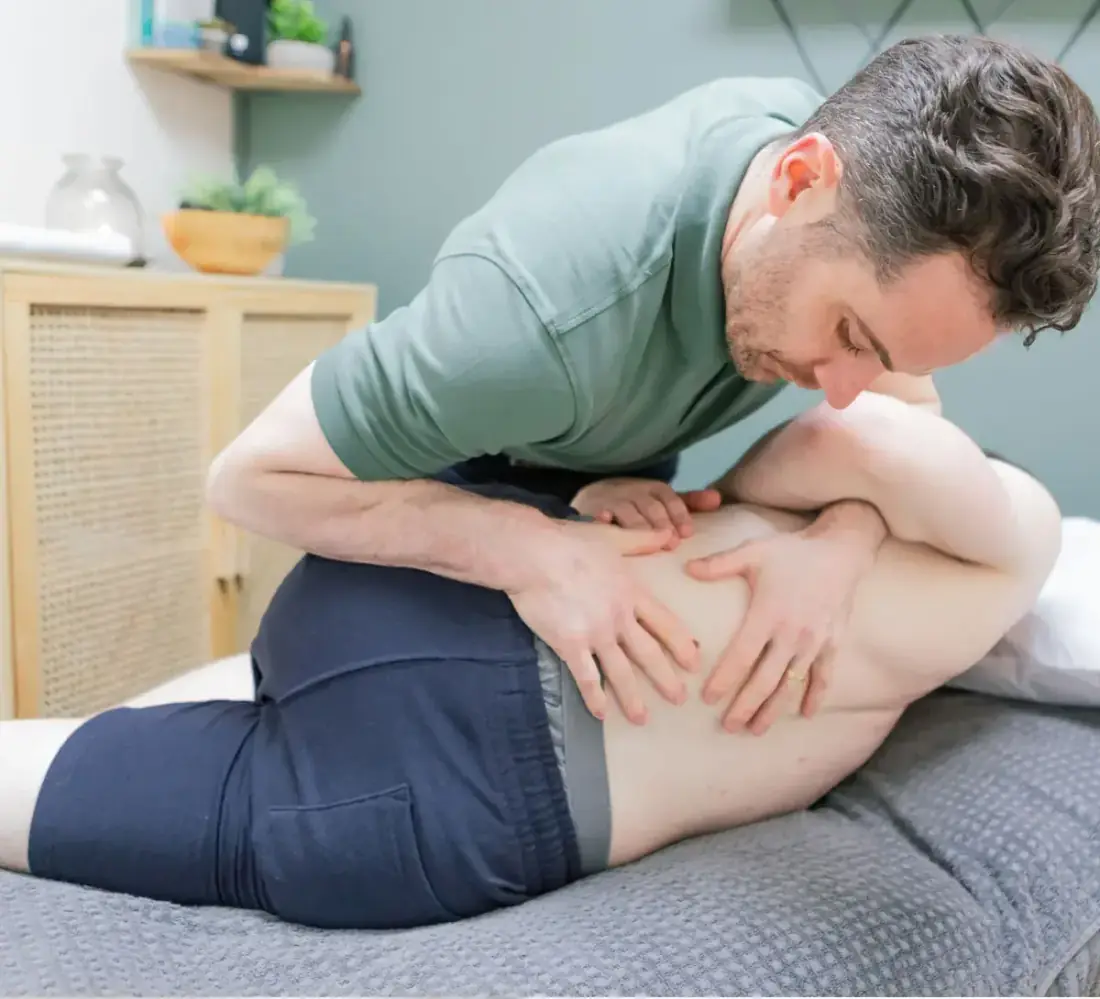
Condition overview
Sciatica is one of the most common conditions we assess and treat at Barefoot. Whether your symptoms started last week or have been building for months, getting an accurate diagnosis is the difference between chasing relief and actually finding it.
Sciatica is pain that travels along the sciatic nerve, from the lower back, through the buttock, and down the thigh, calf or foot. When the nerve is irritated or compressed, it produces distinctive symptoms: shooting or burning leg pain, tingling, numbness, or weakness, usually on one side. It’s worth knowing that “sciatica” isn’t a precise diagnosis, it means different things to different people. Some experience electric-shock pains down the leg, others a numb foot, cramping, or strange sensations. Some can barely get out of bed; others stay highly active. Because the experience varies so much, the crucial first step is identifying exactly what’s driving your symptoms. Common sources include disc herniation in the lower back, degenerative disc changes, narrowing around the nerve (stenosis), and irritation of nearby muscles.
Why Barefoot
Our HCPC-registered physiotherapists take a “whole picture” approach, and because we’re a multidisciplinary team we can support your recovery with massage, strength and conditioning, and shockwave therapy where appropriate. We’re honest about what you need, our patients regularly tell us we never prescribe more visits than necessary.
Sciatica and nerve-related leg pain sit right in our team’s wheelhouse. James Morgan has advanced post-graduate spinal training and is credentialed in the McKenzie Method, which is particularly useful for pinning down which movements settle or provoke a sensitised nerve. Elly Skinner adds substantial NHS experience as a Specialist Musculoskeletal Physiotherapist, covering low back pain and pre and post-operative spinal cases. Where a scan or specialist opinion would genuinely help, we will point you in the right direction rather than leave you guessing.
How we can help
We specialise in effective, personalised treatment for sciatica. Your first appointment starts the way all our care does, by sitting down and listening to your story, because living with sciatica is challenging both physically and emotionally. From there, a thorough assessment lets us identify the source of your symptoms and explain clearly what’s going on. Your treatment is then built around the specific cause and stage of your symptoms, and usually combines:
Understanding what’s driving your pain and what to adjust in the short term, which reduces both flare-ups and the anxiety that often comes with nerve pain.
To restore movement in the lower back and ease the muscle guarding around the affected area.
Specific movement techniques that help the sciatic nerve glide freely rather than stay sensitised.
A structured exercise programme to rebuild control and strength and address contributing factors such as hip stiffness or gluteal weakness.
Conditions
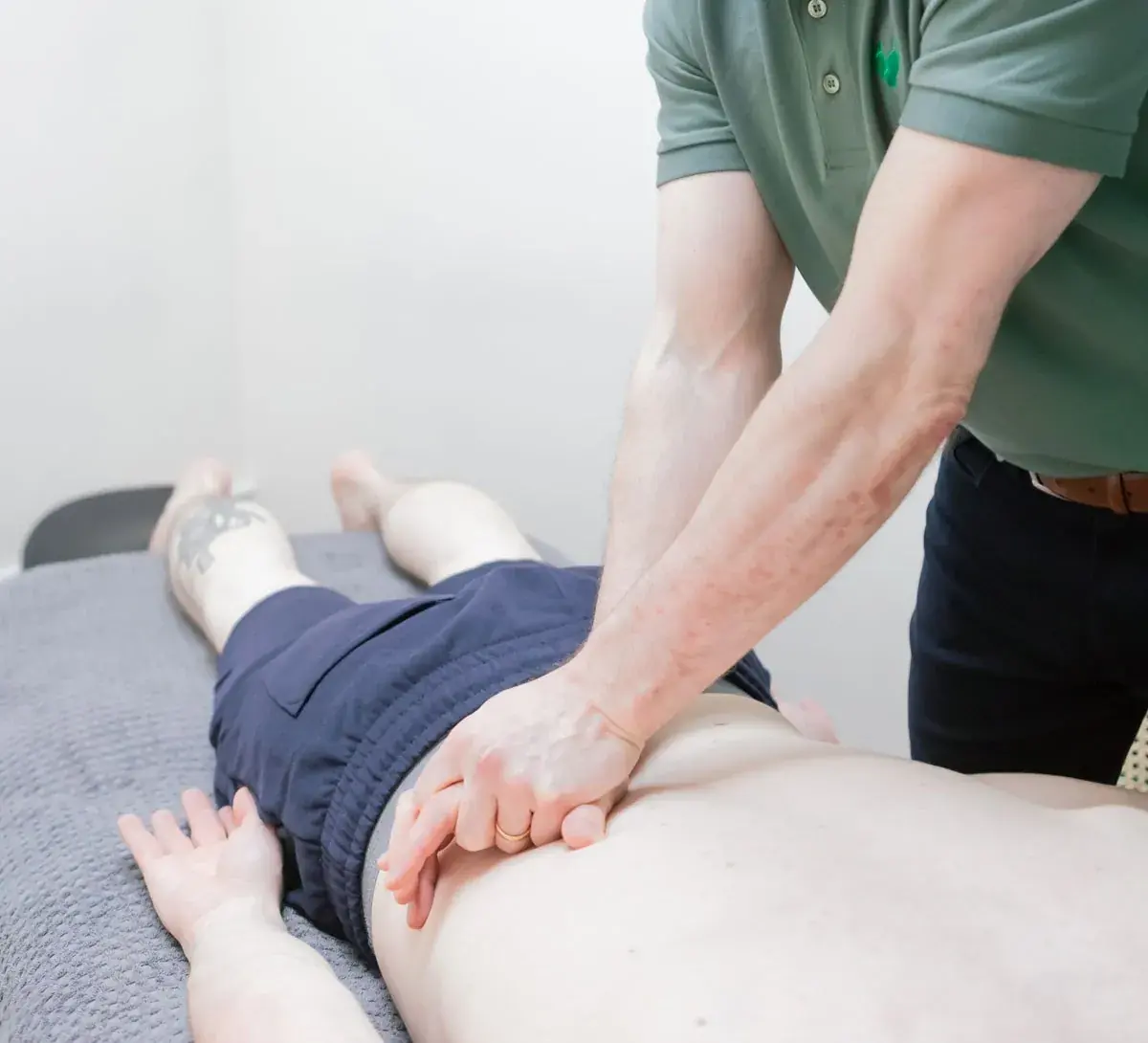
Personalised assessment and treatment for back pain, with a clear explanation and a plan built around your goals.
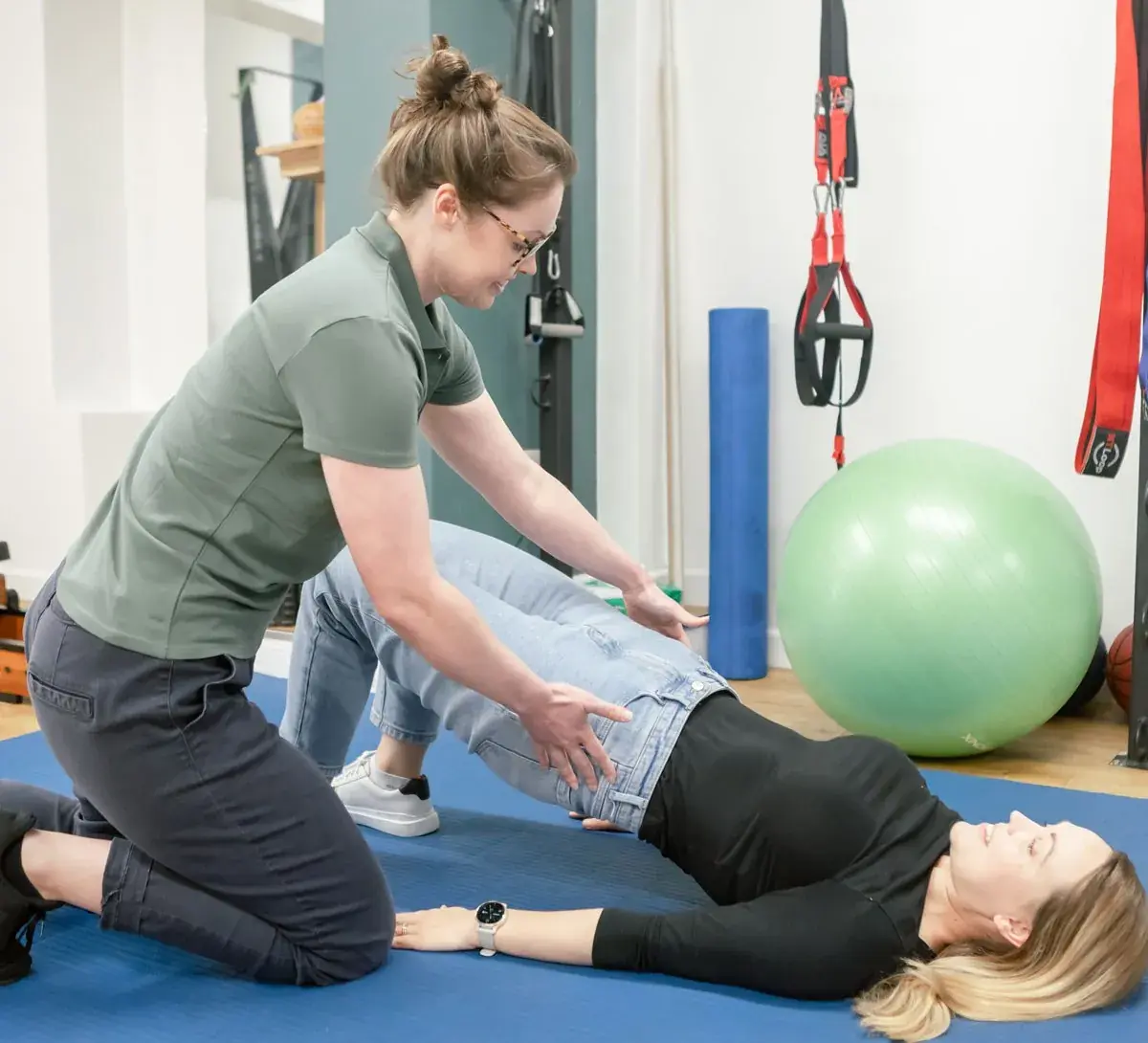
Physiotherapy assessment and treatment for hip pain that is getting in the way of life.
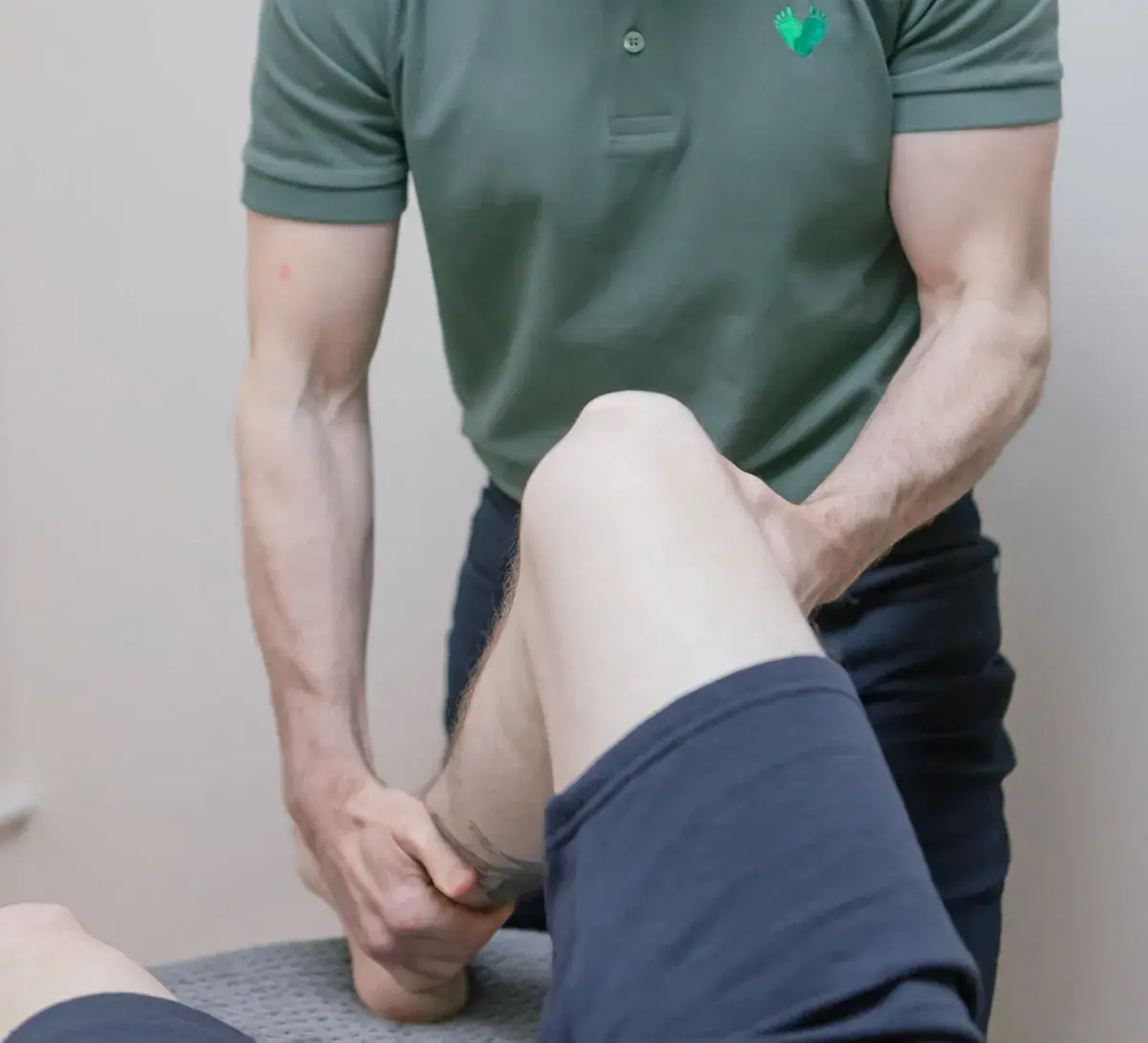
Detailed assessment and a tailored rehabilitation plan for knee pain, whether it followed an injury or came on gradually.
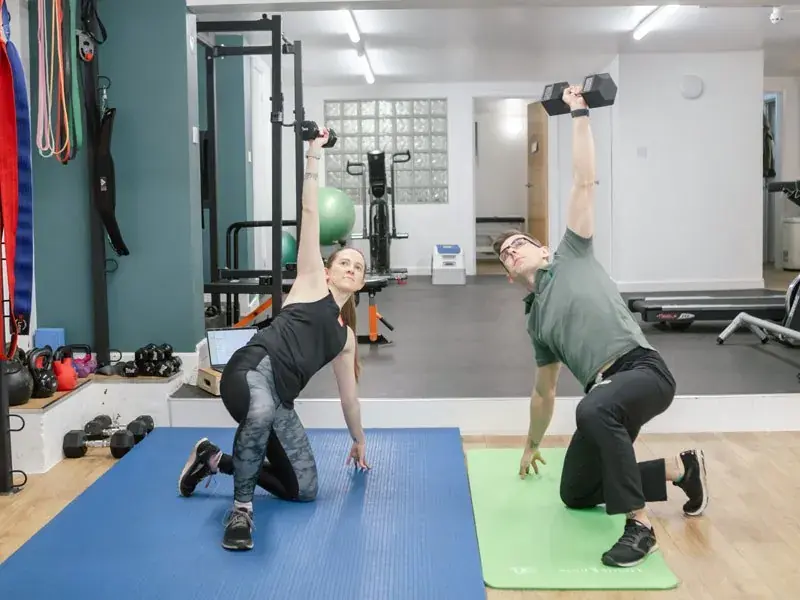
Physiotherapy support for sports-related injuries, with the aim of getting you back to your sport.
FAQ
True sciatica involves nerve symptoms travelling down the leg, shooting pain, tingling, numbness or weakness, rather than pain confined to the back. A physiotherapy assessment can quickly tell the two apart.
Most people don’t. Clinical guidelines support starting with a thorough assessment and conservative treatment; a scan only changes things in specific cases, and we’ll explain clearly if one would help.
In most cases, gentle continued movement helps. We’ll show you what’s safe and beneficial for your stage of symptoms.
Many first episodes of disc-related sciatica improve meaningfully within six to twelve weeks of appropriate treatment. Long-standing or recurrent sciatica usually takes longer and needs a more graduated plan.
It can, which is why our plans focus on long-term resilience, building strength and movement habits to reduce the chance of recurrence.
Book an assessment and we’ll explain your options clearly, with a plan built around your goals.